

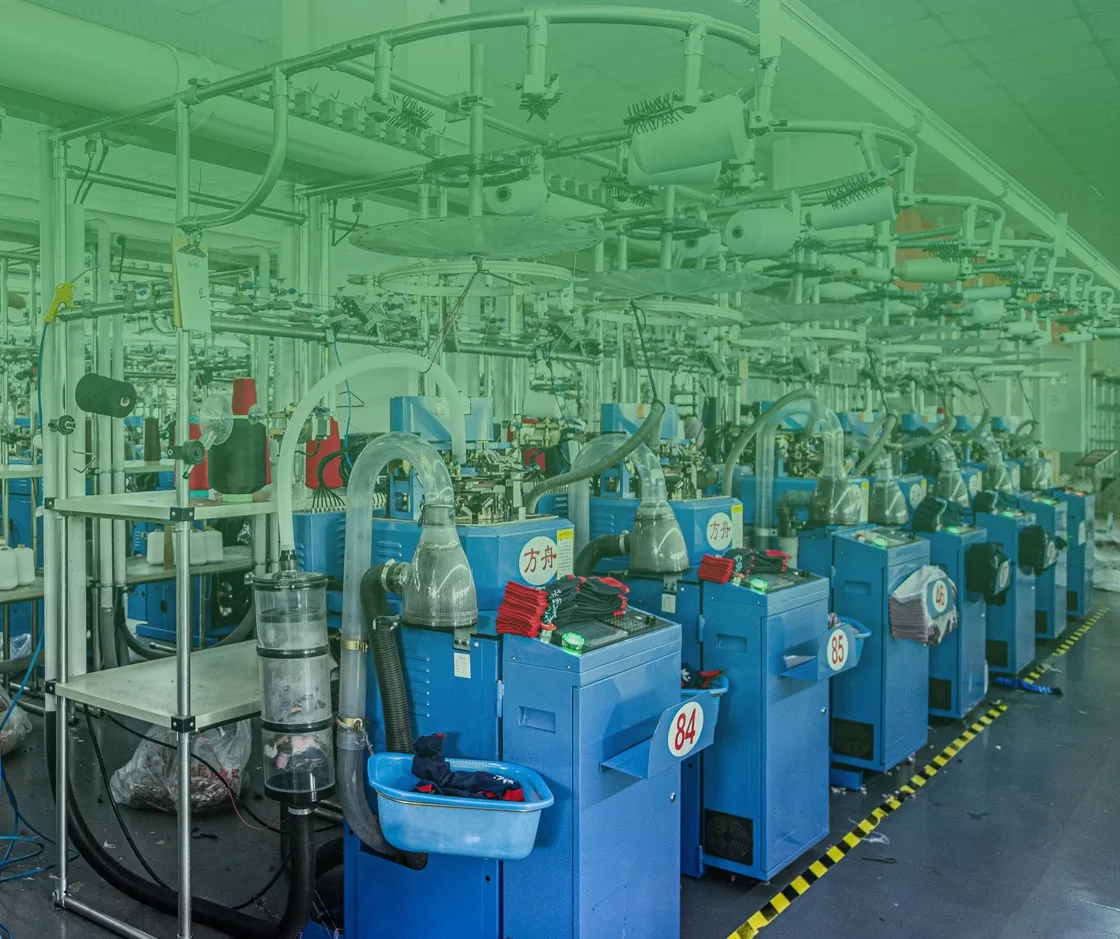
Brands approach OEM compression sock projects with different levels of product definition. Some bring detailed specifications; others begin with a reference sample, artwork and a clear use case. Useful sampling starts by identifying what is fixed and what still needs development.
The first brief does not need to answer every question. Clear information about the product, wearer, market and priorities gives the manufacturer a practical basis for the first discussion and sample.
What is OEM compression sock manufacturing?
OEM compression sock manufacturing is the development and production of hosiery to a buyer’s defined product and brand requirements. The manufacturer translates those requirements into a feasible construction, produces samples for approval and then manufactures against the confirmed reference.
OEM is not a single preset service. One program may begin with a mature specification that needs manufacturing execution. Another may require more development around yarns, sizing, construction, colors, branding and packaging. Defining the starting point prevents both parties from assuming that the other already holds information that has not been supplied.
What should a brand send first?
A minimum project brief can begin with the items below. They do not all need to be complete at first contact, but clearer inputs make sampling more focused and reduce assumptions.
- Product type and intended use
- Target market
- Size range or sizing reference
- Reference sample or images
- Material preference, if known
- Construction priorities
- Artwork and branding files
- Packaging direction
- Estimated quantity, if available
- Known regulatory or labeling requirements
Which product and wearer details should be clear?
The manufacturer needs a direct description of the intended product. Is it a knee-high compression sock, a performance sock, a comfort-focused item or another hosiery format? Who is the target wearer, and in what setting will the product be used? These answers shape later discussion without requiring unverified medical claims.
The buyer should also identify the intended size range and market. Sizing labels alone are not always enough, because brands may use different systems and fit expectations. Providing measurement logic, a reference chart or an approved existing product helps the development team understand what the size names are meant to represent.
- Intended product format and use case
- Target wearer and market
- Required size range and sizing reference
- Any fixed regulatory or labeling requirements supplied by the buyer
How should a brand describe construction direction?
Construction direction includes the shape, length, cuff, heel and toe approach, support zones, cushioning, ventilation and other product-specific features. A marked reference sample can be more informative than a long general description. The brand should state which reference features are essential and which are only inspiration.
Artwork should show placement and scale, but it should not be treated as proof that every visual detail can be reproduced in the same way through knitting. The sampling stage is where design intent and manufacturing structure meet. Early discussion of priorities helps the factory propose a practical route without quietly changing the character of the product.
What material information is useful before sampling?
A useful material brief states both preferences and construction priorities. The buyer may have a fiber direction, a target hand feel, durability expectations or a requirement connected to documented organic or recycled content. The final blend and yarn system still need to work with the intended construction.
Material terms should be precise. “Bamboo” may refer to viscose made from bamboo-derived cellulose, while “nylon” and “polyamide” are often used for the same fiber family. If a project requires certification, the required standard and product scope should be discussed early because a factory-level document does not automatically certify every finished delivery.
What should be defined for branding and packaging?
Branding can include knitted logos, color placement, labels, bands, boxes or other agreed elements. Buyers should provide usable artwork, color references and placement instructions. If brand rules include minimum clear space or approved logo versions, those details belong in the brief rather than being left for production interpretation.
Packaging instructions should identify what is packed, how it is paired, which market information appears and what files are approved. Different regions and product categories may have different labeling obligations; the buyer should identify the applicable commercial and regulatory requirements. The manufacturer can then connect packaging development with the product approval process.
Why do estimated quantity and reference samples matter?
Estimated quantity gives the manufacturer planning context even when it is provisional. It can influence how the project is evaluated, how materials are discussed and what production route is practical.
A reference sample can shorten explanations, but it should not replace a written brief. Buyers should explain whether the goal is to match dimensions, improve a feature, change materials, preserve a visual language or simply demonstrate the product category. The reference should be accompanied by clear intent.
What should be approved before production?
Before production release, the buyer and manufacturer should confirm that the physical sample and supporting files describe the same product direction. Open issues should be closed or explicitly documented.
- Approved physical sample
- Current specification and revision
- Artwork
- Colors
- Sizing reference
- Packaging files
FAQ
Practical questions
Do I need a complete technical pack to contact an OEM manufacturer?
No. A clear use case, reference sample and list of fixed requirements can start the discussion, although more detail will be needed before production approval.
Should estimated quantity be included in an initial inquiry?
It is useful planning context when available, but it may remain an estimate during the first discussion.
Can a reference sample replace written specifications?
It should support, not replace, the brief. The buyer should identify which features of the reference are relevant and what needs to change.
ABOUT ARKSOCKS
Zhejiang Ark Industry Co., Ltd.
Zhuji, Zhejiang, China
Manufacturing hosiery since 2003.